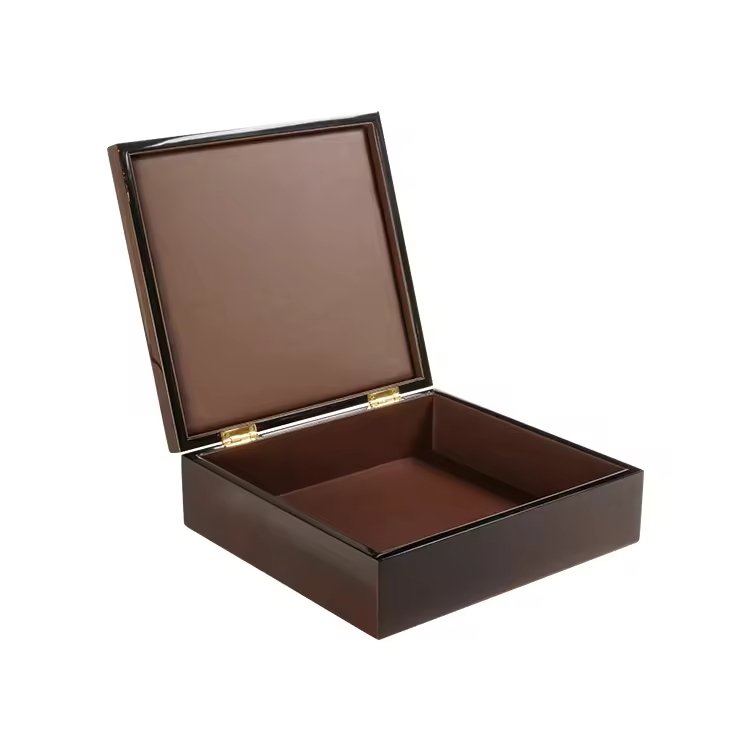
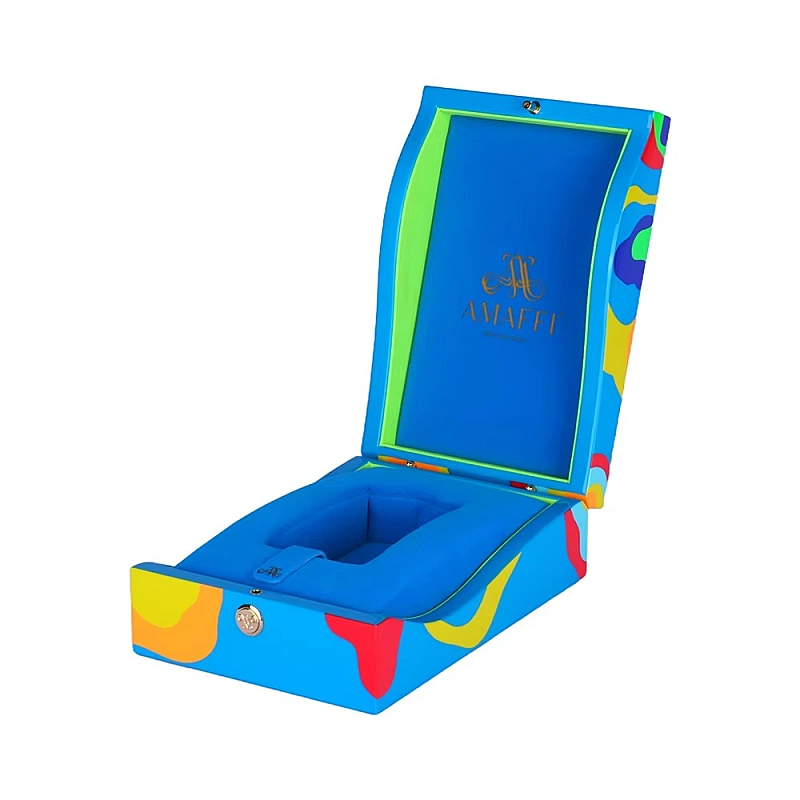
I have seen many luxury brands lose product quality quietly. The problem is not formula or filling. It is slow UV exposure during storage and display.
Wooden boxes reduce UV penetration by blocking light completely, while acrylic cases allow continuous low-level UV exposure over time.
This difference may look small at first. But for perfume, it decides whether the scent stays stable or slowly degrades.
I will explain this step by step, based on my own manufacturing and client experience.
Why does natural wood block UV light more effectively than transparent materials?
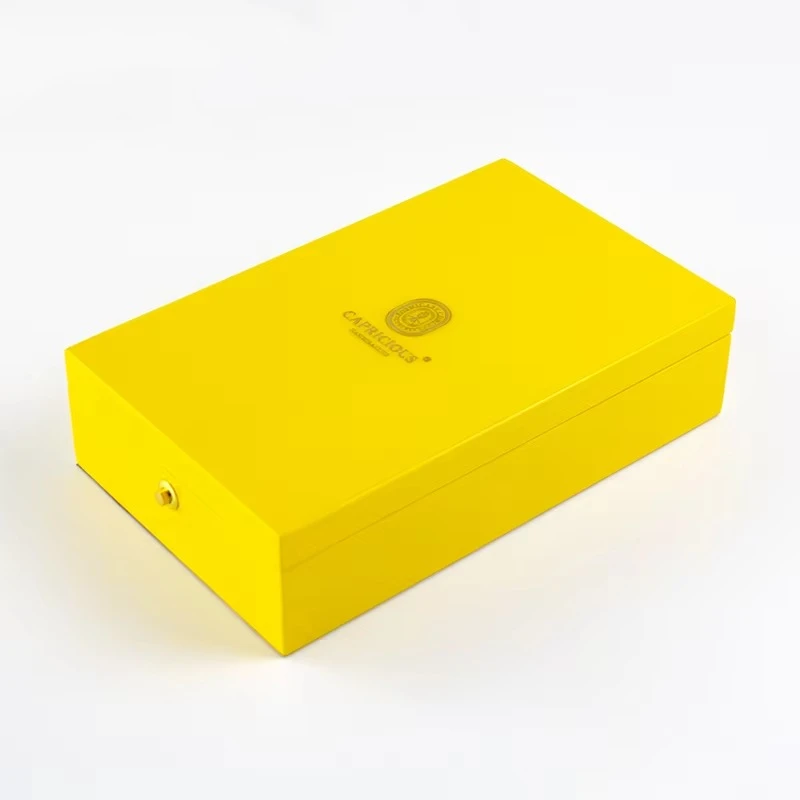
Many buyers focus on looks first. But light behavior is a physical fact. Wood and acrylic interact with light in very different ways.
Natural wood blocks UV light because it is fully opaque and built from dense, irregular fibers that stop light transmission at the surface.
Wood is opaque by nature
Wood does not allow light to pass through. This sounds obvious, but it is often ignored. Even light-colored wood blocks UV completely. The reason is structure, not color.
Wood is made of fibers, vessels, and cells. These elements scatter and absorb light immediately. UV light cannot travel through this structure.
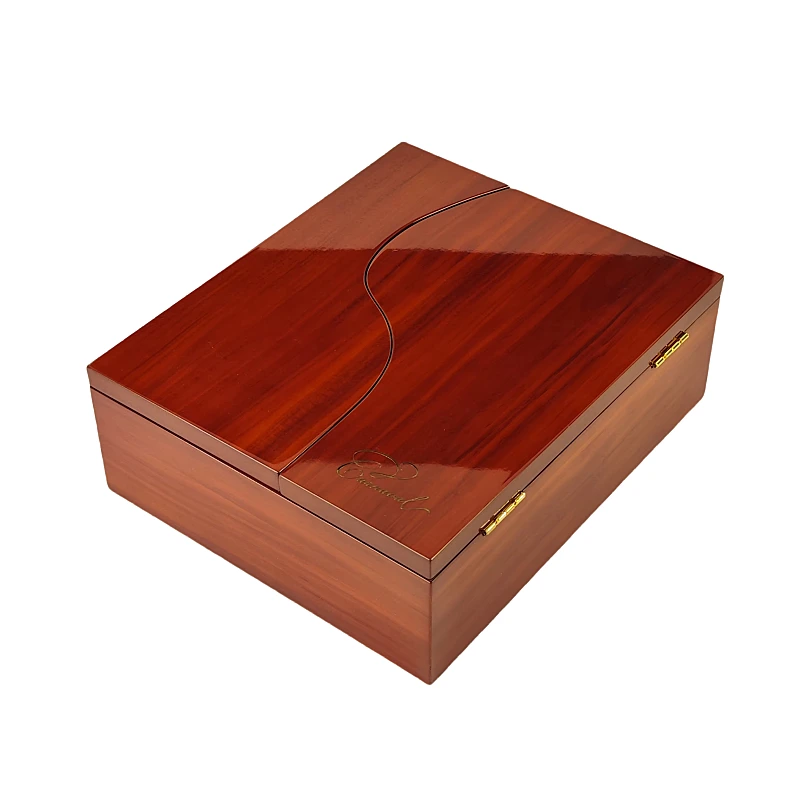
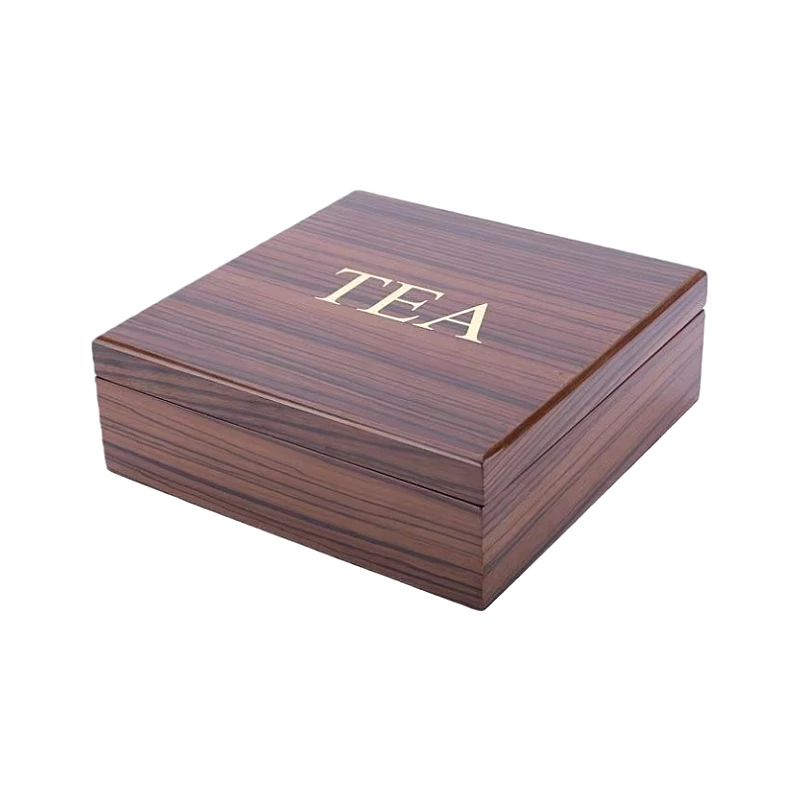
Once a perfume bottle is inside a wooden box, light exposure drops to almost zero.
Acrylic depends on transparency
Acrylic is designed to transmit light. Even thick acrylic sheets still allow a percentage of UV and high-energy visible light to pass through.
Some acrylics are labeled “UV resistant,” but resistant does not mean blocking.
In real use, especially in stores or homes, acrylic cases still leak light.
My production observation
In my factory, I often test packaging by placing samples under showroom lighting for weeks.
Here is what I see clearly:
| نوع المادة | Light Transmission | UV Exposure Over Time |
|---|---|---|
| Solid wood box | لا يوجد | Near zero |
| MDF مع القشرة الخشبية | لا يوجد | Near zero |
| Clear acrylic | عالية | Continuous |
| Tinted acrylic | متوسط | Continuous |
Wood behaves the same every day. Acrylic always lets something through.
Why this matters for luxury perfume
Luxury perfume needs stability. Wood gives a closed environment. Acrylic creates a display environment.
If preservation is the goal, opacity always wins.
How does acrylic allow gradual UV exposure even without direct sunlight?
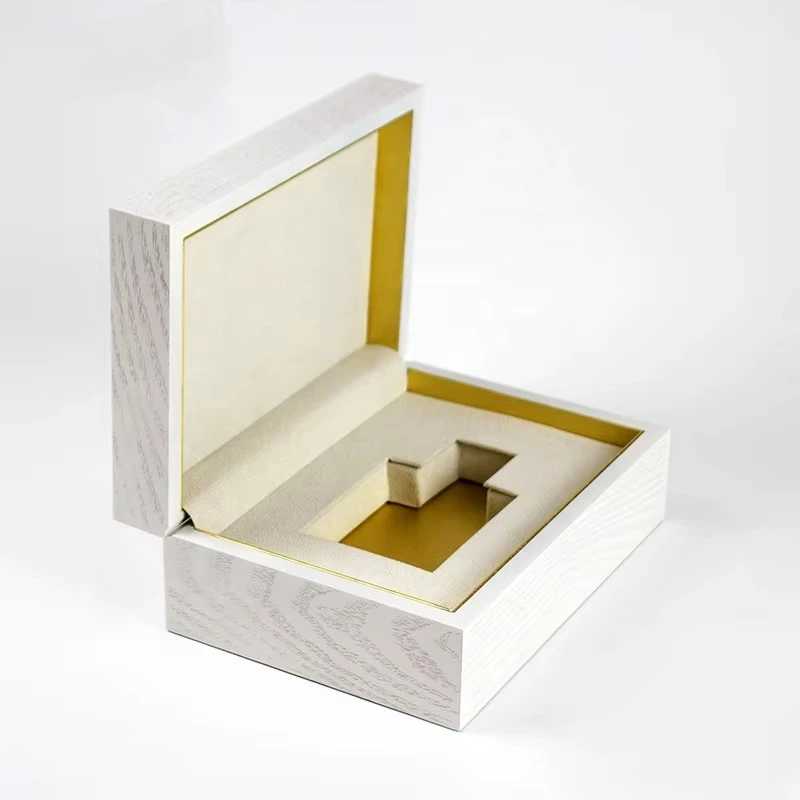
Many buyers believe UV damage only happens under sunlight. This belief causes many quality complaints later.
Acrylic allows gradual UV exposure because indoor lighting and ambient daylight still contain UV and high-energy visible light.
UV is not only from the sun
Retail lighting includes:
- LED lighting
- Halogen lighting
- Fluorescent lighting
All of these emit small amounts of UV or high-energy blue light.
Acrylic does not block this light fully.
The accumulation effect
The danger is not one day. It is hundreds of days.
Perfume sits in stores, warehouses, and homes for months or years.
Acrylic allows light to pass every hour, every day.
This creates slow chemical stress inside the bottle.
Why buyers do not notice early
UV damage is gradual.
First signs are subtle:
- Slight color warming
- Small changes in clarity
- Minor scent imbalance
Customers usually notice only after months.
By then, the brand takes the blame.
My client cases
I have worked with brands that switched from acrylic display boxes to wooden outer boxes.
After the change, customer complaints about color change dropped sharply.
The formula did not change. The packaging did.
Acrylic is designed for display, not protection
Acrylic has one main advantage: visibility.
But visibility is the enemy of light-sensitive products.
This is not a design issue. It is a physics issue.
Why is UV protection critical for preserving perfume color and scent stability?

Perfume is a living chemical system. Light interferes with it.
UV protection is critical because UV light triggers photochemical reactions that break down aroma molecules and change color.
What UV does inside perfume
UV light carries energy. When it enters a perfume bottle, it excites molecules.
This leads to:
- الأكسدة
- Molecular breakdown
- Reaction between ingredients
Natural ingredients suffer the most.
Sensitive perfume ingredients
From my experience, these ingredients are very sensitive:
- زيوت الحمضيات
- Floral absolutes
- Resins
- Natural colorants
They react faster under UV exposure.
Color change is the first warning
Color change usually comes before scent change.
Common signs:
- Clear to yellow
- Light amber to dark brown
Many brands ignore this sign. But scent damage follows.
Wooden boxes stop the reaction chain
Wood removes light completely.
No light means no UV.
No UV means no photochemical reaction.
This is the simplest and most reliable solution.
Comparison from real storage tests
| Storage Type | ثبات اللون | Scent Stability |
|---|---|---|
| صندوق خشبي | ممتاز | ممتاز |
| Cardboard only | متوسط | متوسط |
| Acrylic case | Poor over time | Poor over time |
Wood gives consistency. That matters for luxury brands.
How does material thickness and structure influence light penetration?
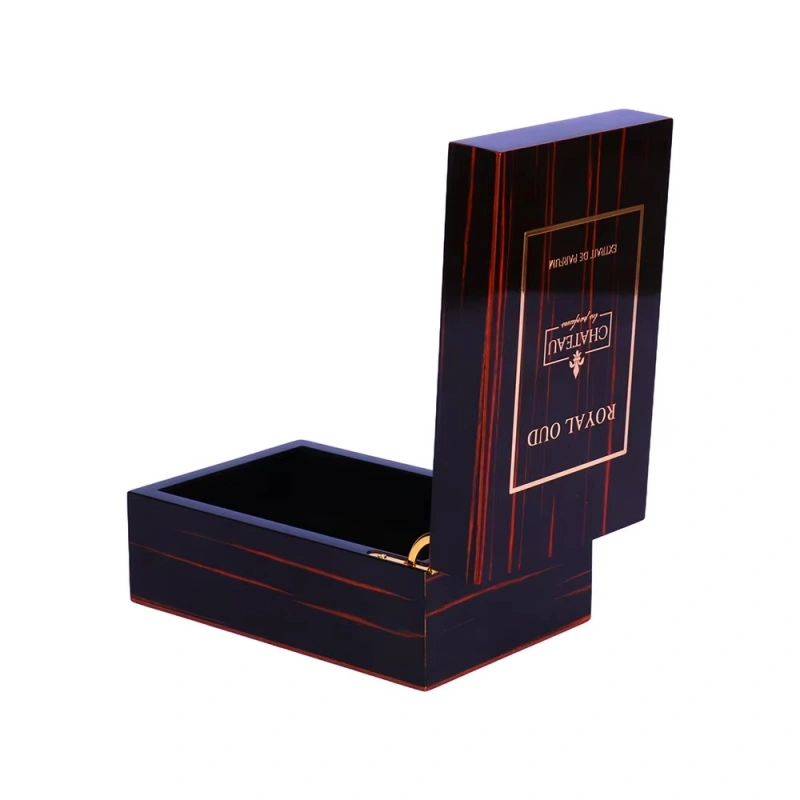
Material choice is not only about surface. Thickness and structure matter.
Thicker, multi-layer wooden structures block light completely, while acrylic relies on single-layer transparency.
Wooden box construction
Most wooden boxes include:
- Solid wood or MDF core
- Veneer or paint layers
- Inner lining like velvet or PU
Each layer blocks and absorbs light.
Even thin wooden panels block UV fully.
Acrylic relies on clarity
Acrylic cases usually use single thick panels.
Thickness helps slightly, but clarity remains.
Light still passes through the full panel.
Structural comparison
| الميزة | صندوق خشبي | Acrylic Case |
|---|---|---|
| Layer count | Multi-layer | Single layer |
| Opacity | كامل | Partial |
| Light leakage | لا يوجد | Continuous |
| Aging effect | مستقر | Worsens over time |
Aging behavior
Wood stays opaque forever.
Acrylic can yellow, scratch, or become more transparent in areas.
This increases light exposure over time.
Why luxury packaging favors structure
Luxury is about control.
Wood gives control over environment.
Acrylic gives control over appearance.
Brands must decide which matters more.
How can wooden boxes provide passive, long-term UV protection without coatings?
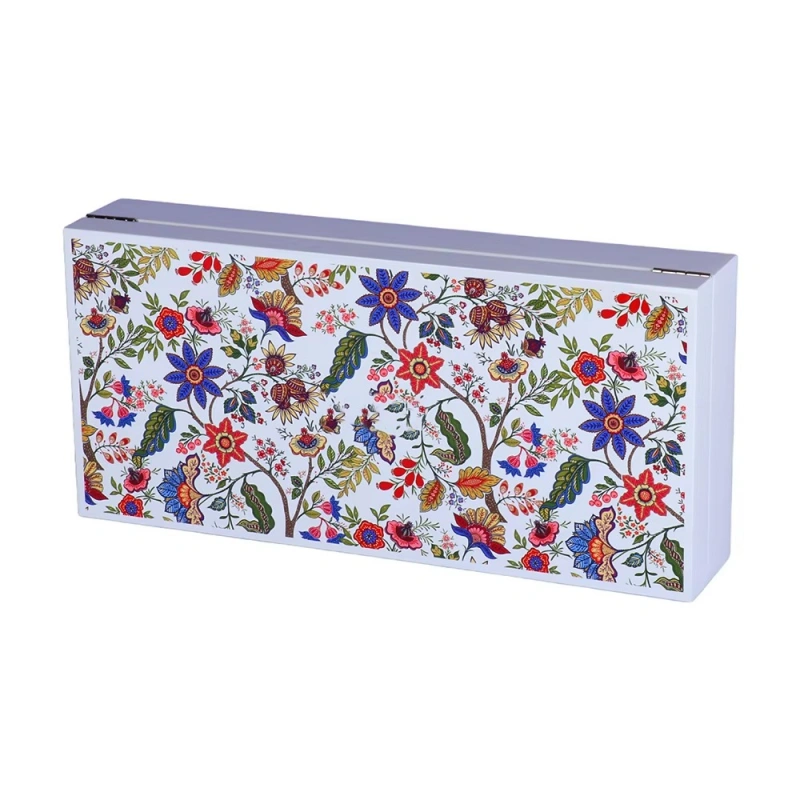
Many buyers ask me about UV coatings. My answer is simple.
Wooden boxes provide passive UV protection because the material itself blocks light, without relying on added treatments.
No coating dependency
Wood does not need:
- UV films
- Chemical sprays
- Special additives
Protection is built in.
Coatings always age
Any coating can:
- Scratch
- Peel
- Lose effectiveness
When that happens, protection drops.
Wood has no such risk.
Long-term consistency
From my 15+ years experience, wooden boxes behave the same after:
- 1 year
- 3 years
- 10 years
Opacity does not change.
Cost and reliability advantage
Passive protection reduces risk.
It also reduces hidden cost:
- No coating failure
- No rework
- No quality disputes
This matters for international brands.
Why I recommend wood for premium perfume
When a brand invests in formula, bottle, and branding, it should not gamble on packaging.
Wood is quiet protection.
It works without asking for attention.
الخاتمة
Wooden boxes protect perfume by blocking light completely, while acrylic only slows damage. For long-term quality, wood is the safer and smarter choice.
وودوبوكس
صناديق خشبية مصممة حسب الطلب، مصنوعة بإتقان

 العربية
  English
  Español
  Português
  Deutsch
  Français
  Italiano