
Many people stand in front of a whisky shelf and feel unsure. Too many bottles, too many opinions, and no clear answer.
A good whisky is one that feels balanced, enjoyable, and right for you—not one that wins arguments or rankings.
After more than 15 years working with premium brands in high-end wooden box manufacturing, I’ve learned that “good” only has meaning when it fits the user and the moment.
What makes a whisky “good” for most people?
Before brands or styles, there are shared fundamentals.
For most people, a good whisky is balanced, clear in flavor, and easy to enjoy without effort or confusion.

Balance comes first
A good whisky does not let one element dominate. Alcohol, sweetness, wood, and spice should work together.
When balance is right:
- alcohol feels warm, not sharp
- sweetness feels natural, not heavy
- flavors stay clear, not muddy
Clarity matters more than complexity
Complex does not always mean good. Many people enjoy whiskies that clearly express what they are.
A good whisky usually:
- has a recognizable profile
- does not fight the palate
- feels complete
Consistency builds trust
When a whisky tastes reliable from glass to glass, people relax. Consistency creates confidence, especially for non-experts.
My industry parallel
In packaging, a good box is not the most complex one. It is the one that feels right in the hands and works every time.
Which whiskies are good for beginners and easy to enjoy?
Beginners need comfort, not challenges.
For beginners, good whiskies are smooth, approachable, and forgiving on the palate.
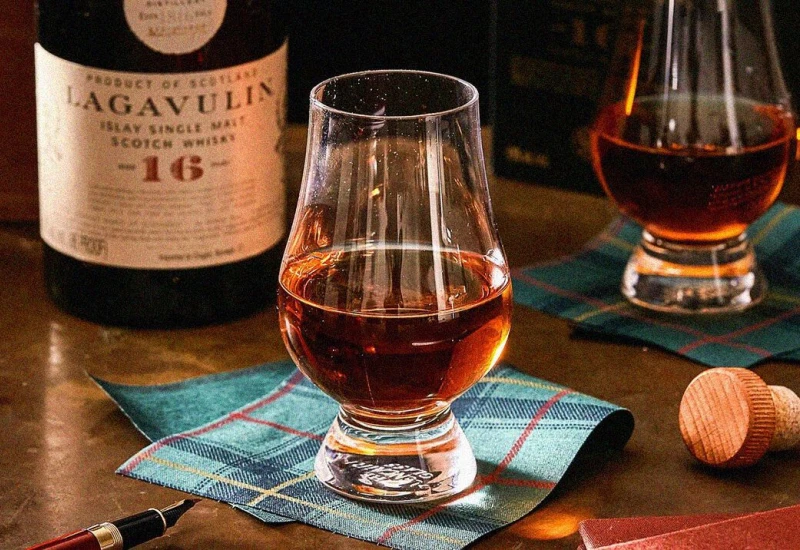
Styles that feel welcoming
Many beginners enjoy:
- Irish whisky for its softness
- bourbon for its natural sweetness
- lighter blended whiskies for balance
These styles reduce alcohol shock.
Why smoothness helps early on
When alcohol burn is too strong, flavor disappears. Smooth whiskies allow beginners to notice taste before strength.
Avoiding early frustration
Strong smoke, heavy spice, or very high proof can overwhelm new drinkers and discourage exploration.
A healthy starting mindset
You are not testing yourself. You are building comfort.
My practical advice
Just like entry-level premium products, beginner whiskies should invite curiosity, not demand expertise.
What whiskies are considered good by experienced drinkers?
As experience grows, preferences shift.
Experienced drinkers often consider whiskies good when they show identity, honesty, and depth rather than simple smoothness.

What experience changes
With time:
- alcohol becomes less dominant
- texture becomes noticeable
- finish becomes meaningful
Drinkers begin to value structure and character.
Styles that gain appreciation
Many experienced drinkers enjoy:
- single malt whiskies with clear identity
- cask strength expressions with control
- distinctive regional styles
These whiskies say something specific.
Honesty over polish
Experienced drinkers often prefer whiskies that are honest, even if they are not perfectly smooth.
My long-term observation
In my industry, mature clients stop asking for decoration. They ask for integrity. Whisky appreciation follows the same path.
Is an expensive whisky always a good whisky?
This belief causes more disappointment than almost anything else.
An expensive whisky is not always a good whisky—it is only more costly, rarer, or older.

What price actually reflects
High prices usually reflect:
- limited supply
- long aging
- brand demand
They do not guarantee enjoyment.
When expensive whiskies disappoint
They disappoint when:
- expectations are unrealistic
- taste does not match preference
- pressure replaces enjoyment
Age is not magic
Age adds depth, but it cannot fix imbalance. Some younger whiskies feel more alive and expressive.
مقارنة واضحة
| العامل | What it really means |
|---|---|
| High price | rarity or demand |
| High age | time in barrel |
| Good whisky | balance and enjoyment |
My professional view
In manufacturing, expensive materials never rescue poor design. Whisky is no different.
How can you find a good whisky that suits your own taste?
This is where confidence replaces confusion.
You find a good whisky by paying attention to what you enjoy, exploring styles slowly, and trusting your own experience.

Start with known balance
Begin with whiskies that are widely respected for balance, not intensity.
Explore one variable at a time
Change:
- the style
- the grain
- the strength
But not everything at once.
Notice patterns
Ask yourself:
- do I enjoy sweetness or dryness?
- smoothness or boldness?
- light or smoky flavors?
Patterns guide better than opinions.
Ignore pressure
Liking a simple whisky is not a mistake. Disliking a famous one is not ignorance.
My guiding principle
If a whisky helps you slow down and enjoy the moment, it is good for you. That is enough.
الخاتمة
A good whisky is balanced, honest, and enjoyable for you. It does not need to be expensive or rare. When a whisky feels comfortable, satisfying, and easy to return to, you’ve already found what “good” really means.
وودوبوكس
صناديق خشبية مصممة حسب الطلب، مصنوعة بإتقان

 العربية
  English
  Español
  Português
  Deutsch
  Français
  Italiano