Many people enjoy whisky without ever asking where it truly began. But understanding its origin changes how you see every glass.
Whisky originated through a shared historical path in Ireland and Scotland, shaped by early distillation knowledge, local materials, and centuries of gradual refinement.
After more than 15 years in high-end wooden box manufacturing, I’ve learned that origins matter. Not because they create rules, but because they explain لماذا something exists the way it does.
Did whisky originate in Ireland or Scotland?
This is one of the oldest and most debated whisky questions.
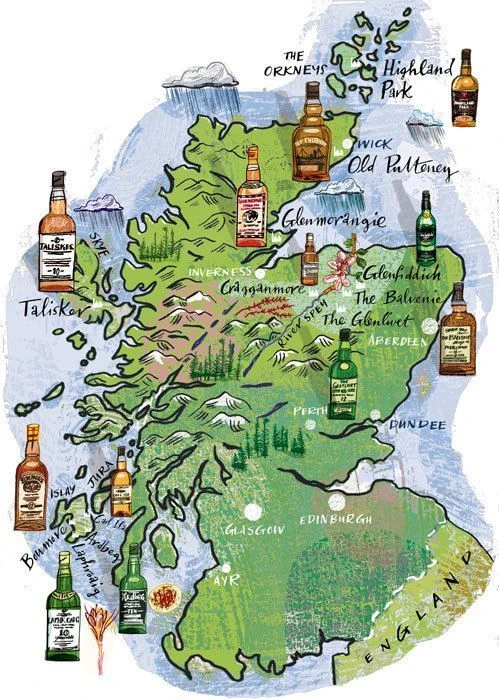
Whisky did not originate in one single country. Its early development happened in both Ireland and Scotland, evolving in parallel rather than competition.
Why there is no single answer
Historical records from the Middle Ages are incomplete. What we do know is:
- distillation appeared in Ireland and Scotland around the same period
- both regions adapted similar techniques independently
- neither side can claim exclusive origin with certainty
This makes whisky a shared tradition.
Early written references
Some of the earliest records include:
- Irish references to distilled spirits in the 12th century
- Scottish tax records mentioning malt distillation in the late 15th century
These records show presence, not invention.
Cultural rather than political origin
Whisky was not created as a national product. It was a local craft, shaped by daily life, not borders.
My perspective on shared origins
In manufacturing, techniques often emerge in multiple workshops at the same time. When conditions are similar, solutions follow. Whisky’s origin follows that same logic.
How did early distillation practices lead to the birth of whisky?
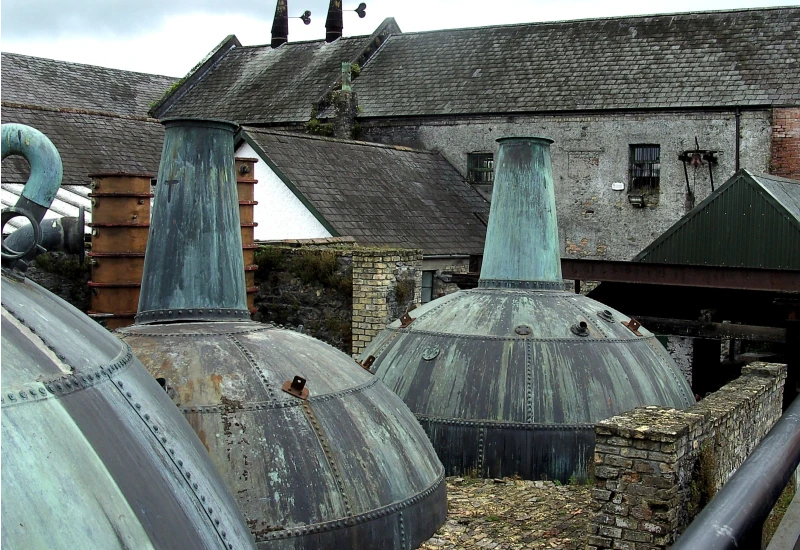
Whisky began as a technique, not a beverage.
Early distillation practices were used to concentrate alcohol for medicinal purposes, which later evolved into what we now recognize as whisky.
Distillation before whisky
Distillation was not invented in Ireland or Scotland. Knowledge traveled from:
- the Middle East
- Mediterranean regions
- early European scholars
These techniques focused on purification, not flavor.
From medicine to drink
Early distilled spirits were called:
- aqua vitae
- uisce beatha (water of life)
They were believed to support health and longevity.
Local adaptation changed everything
When monks and local communities:
- used barley instead of grapes
- adapted equipment to rural conditions
- experimented over time
The result slowly became whisky.
Process before pleasure
Flavor was not the goal at first. Survival, preservation, and utility came first. Enjoyment followed later.
A familiar pattern to me
In craftsmanship, tools are often created for function before beauty. Whisky followed the same path.
Why did monks play a key role in whisky’s early history?
Monks were the knowledge carriers of their time.
Monks played a central role because they preserved, practiced, and passed on distillation knowledge during the Middle Ages.
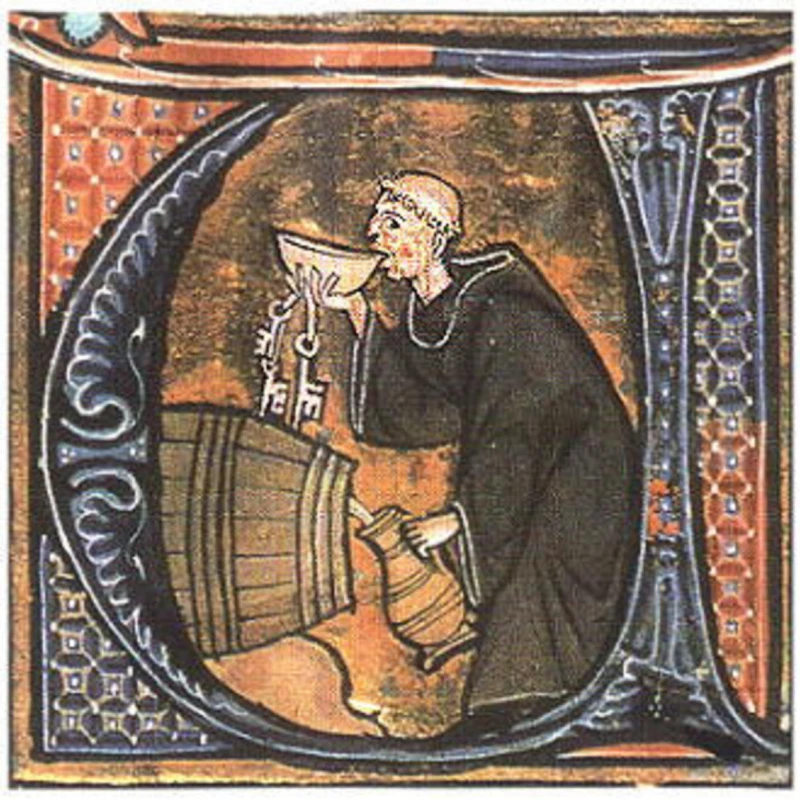
Why monks mattered
Monasteries were:
- centers of learning
- literate communities
- places where experimentation was allowed
They kept written records when others could not.
Travel and knowledge exchange
Monks traveled across regions and encountered:
- Arabic science
- classical medical texts
- early distillation methods
They brought this knowledge home.
Practical application
In colder climates where wine grapes struggled, monks turned to:
- barley
- oats
- local grains
This practical choice shaped whisky permanently.
Gradual spread beyond monasteries
Over time, local farmers and craftsmen learned these techniques and adapted them for daily use.
Craft before profit
This resonates deeply with me. True craftsmanship often begins in quiet places, long before markets notice.
Why did geography and climate shape early whisky styles?
Environment influenced every decision.
Geography and climate shaped whisky by determining grain choice, water quality, storage conditions, and aging behavior.
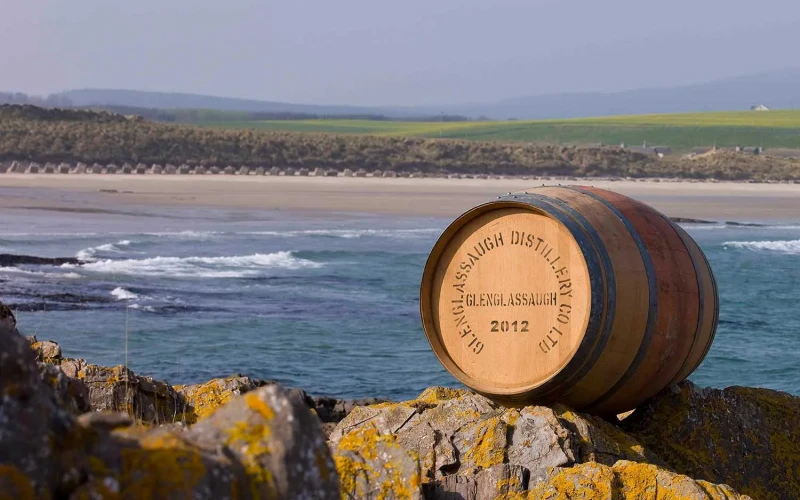
Grain availability
Cool climates favored grains like:
- barley
- rye
- oats
These grains became the foundation of whisky.
Water quality
Clean, mineral-rich water was essential. Regions with good water sources naturally became distillation centers.
Climate effects on storage
Cool, damp climates:
- slowed evaporation
- encouraged long storage
- softened harsh spirit over time
This unintentionally created aging traditions.
Geography creates identity
Even without formal rules, regional styles began to appear simply because environments differed.
My material parallel
In wooden box manufacturing, climate determines how wood behaves over time. Whisky developed character through the same quiet influence.
How did whisky spread from its origin to the rest of the world?
Whisky spread slowly, then suddenly.
Whisky spread through migration, trade, and adaptation, eventually becoming a global spirit while retaining its original identity.
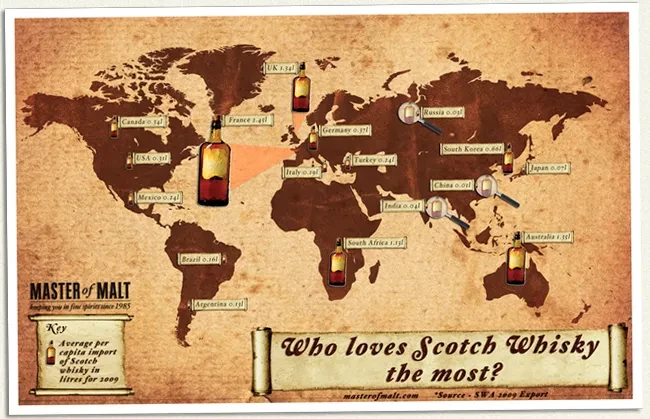
Early local consumption
For centuries, whisky was:
- made locally
- consumed locally
- refined through tradition
There was no rush to expand.
Migration carried tradition
As people moved:
- to the Americas
- to new colonies
- to new farming regions
They carried distillation knowledge with them.
Adaptation, not imitation
New regions used:
- local grains
- different climates
- new barrels
This led to new whisky styles, not copies.
From craft to culture
Eventually, whisky became:
- a traded good
- a cultural symbol
- a global product
But its foundation remained intact.
A principle I respect
Strong traditions survive expansion because they adapt without forgetting where they came from.
الخاتمة
Whisky originated through shared development in Ireland and Scotland, shaped by monks, geography, and time. Its true origin is not a place, but a process built on patience, adaptation, and respect for materials.
وودوبوكس
صناديق خشبية مصممة حسب الطلب، مصنوعة بإتقان



 العربية
  English
  Español
  Português
  Deutsch
  Français
  Italiano