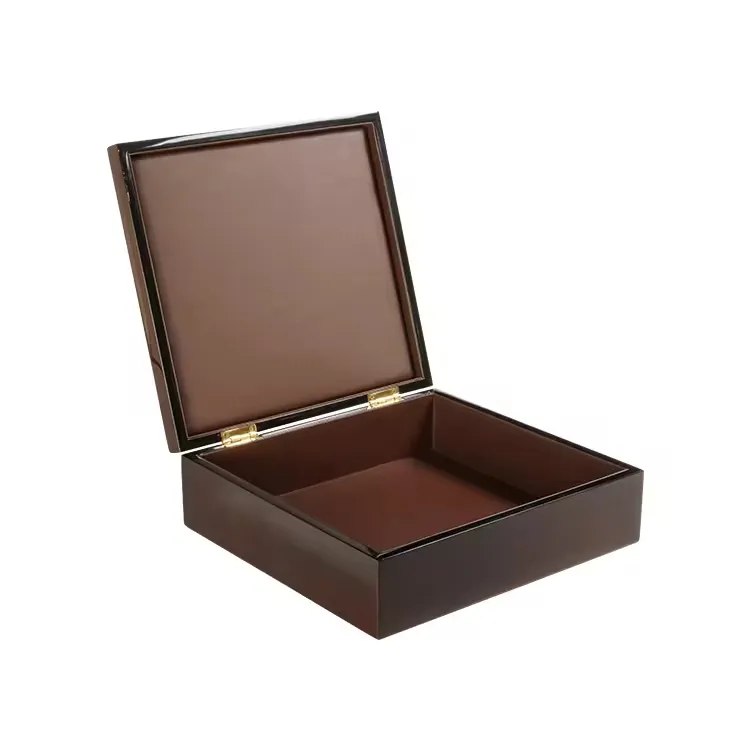
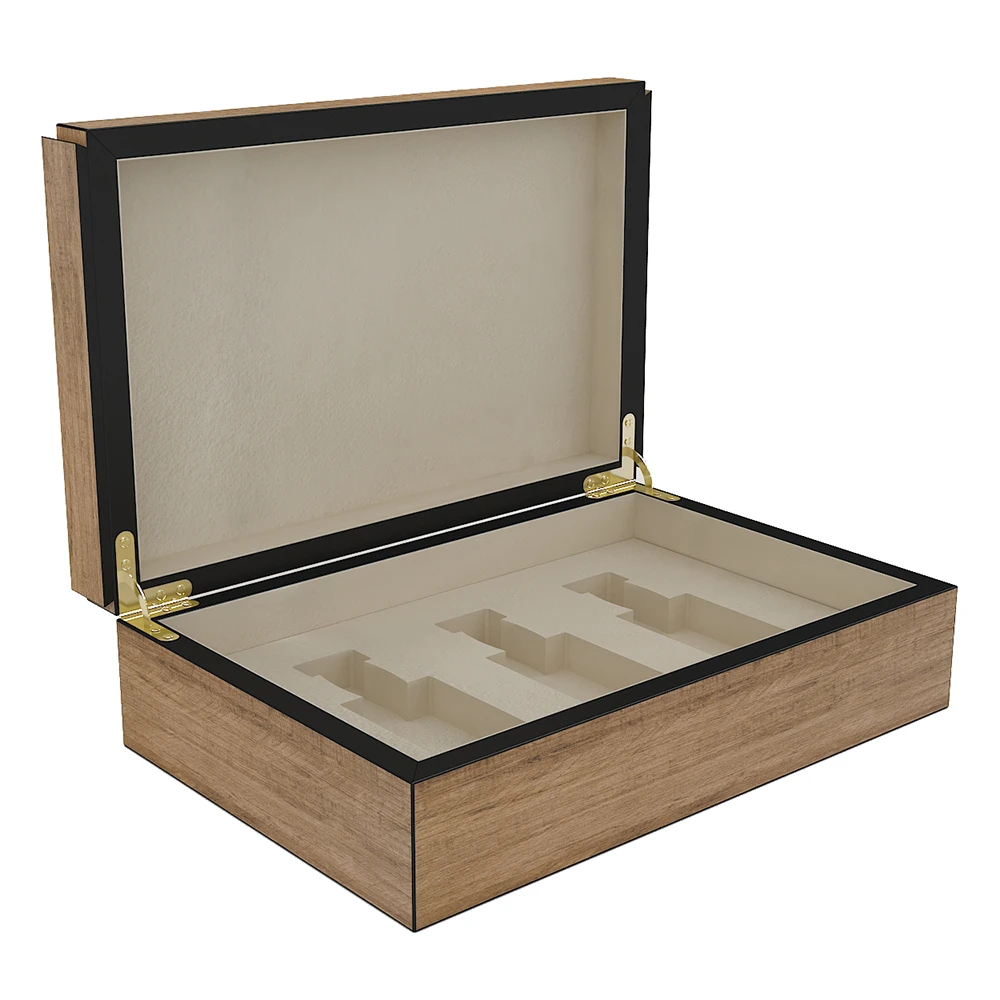
Customers think they judge perfume by scent. In reality, most judgments start earlier. Packaging quietly shapes expectations long before the first spray ever reaches the nose.
Packaging shapes customer expectations by acting as a mental preview of the scent experience, using visual, tactile, and emotional cues to guide how the fragrance will be perceived before it is smelled.
I have seen this pattern repeat for over 15 years. In perfume, the nose never works alone. The brain arrives first. Packaging speaks to that brain in seconds, and the fragrance must live up to that promise.
Packaging is not decoration. It is instruction. It tells customers how to feel, what to expect, and how generous their judgment should be. To understand this, we must break the process down step by step.
How does the brain use packaging as a shortcut to predict scent quality?
Customers do not smell perfume with a blank mind. Their brain looks for shortcuts, and packaging becomes the fastest signal of quality and intention.
When a customer picks up a perfume box, the brain asks simple questions. Is this expensive? Is this serious? Is this safe? Is this bold? Because scent is invisible, the brain depends on what it can see and touch. Packaging becomes the stand-in for fragrance quality.
The brain uses packaging as a shortcut by translating visual and tactile cues into expectations about scent depth, value, and craftsmanship before smelling.
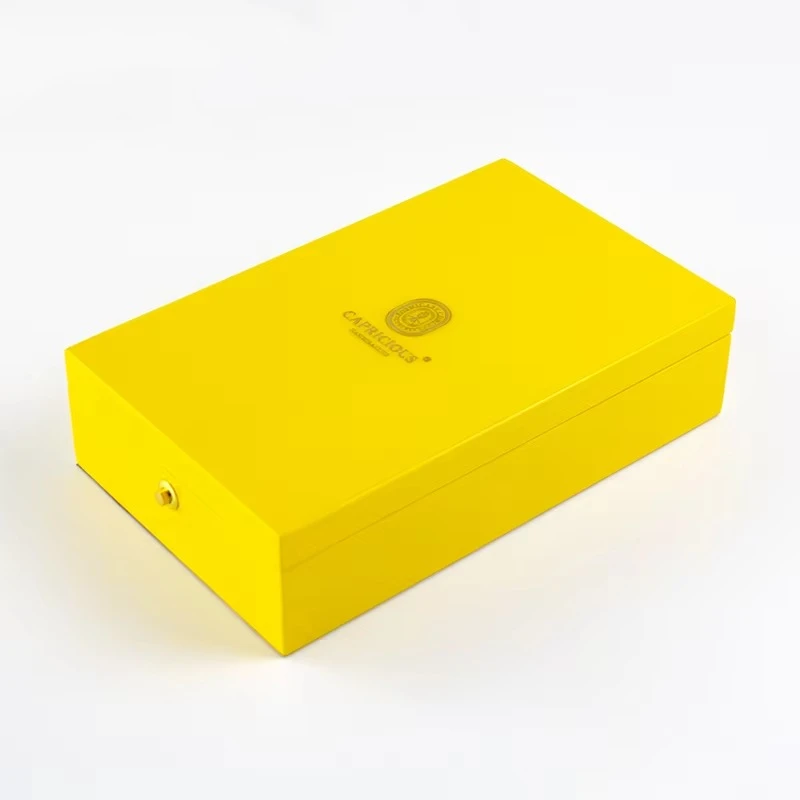
In my work with perfume brands, I have watched customers describe a fragrance before opening the box. They already say words like “strong,” “soft,” “luxury,” or “fresh.” None of those words come from scent. They come from packaging.
Why the brain needs shortcuts
The human brain is built to save energy. Smelling perfume takes focus. Evaluating quality takes experience. Most customers do not have technical knowledge of fragrance notes or composition. So the brain uses patterns it already knows.
Packaging provides those patterns fast.
Common packaging shortcuts the brain uses
| Packaging Cue | Brain Interpretation |
|---|---|
| Heavy, rigid box | High quality, long-lasting |
| Minimal design | Confidence, niche positioning |
| Glossy finish | Modern, bold, expressive |
| Soft textures | Gentle, comforting scent |
| Complex graphics | Accessible, mass appeal |
These shortcuts work because they feel logical. Over time, customers learn that expensive things usually feel solid. They learn that cheap things often feel light. The brain applies this rule even when it is not accurate.
My production experience
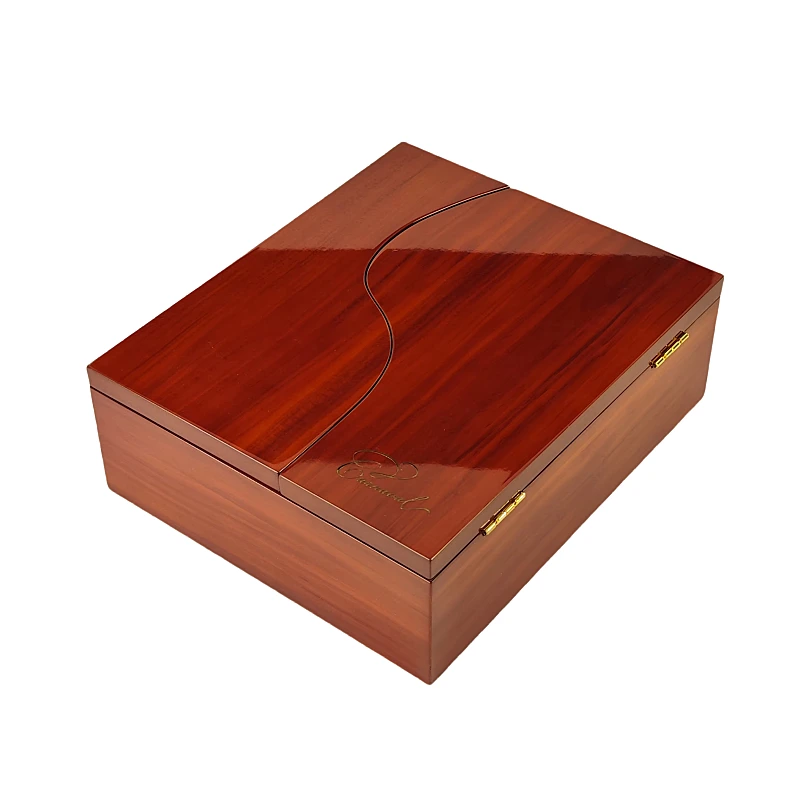
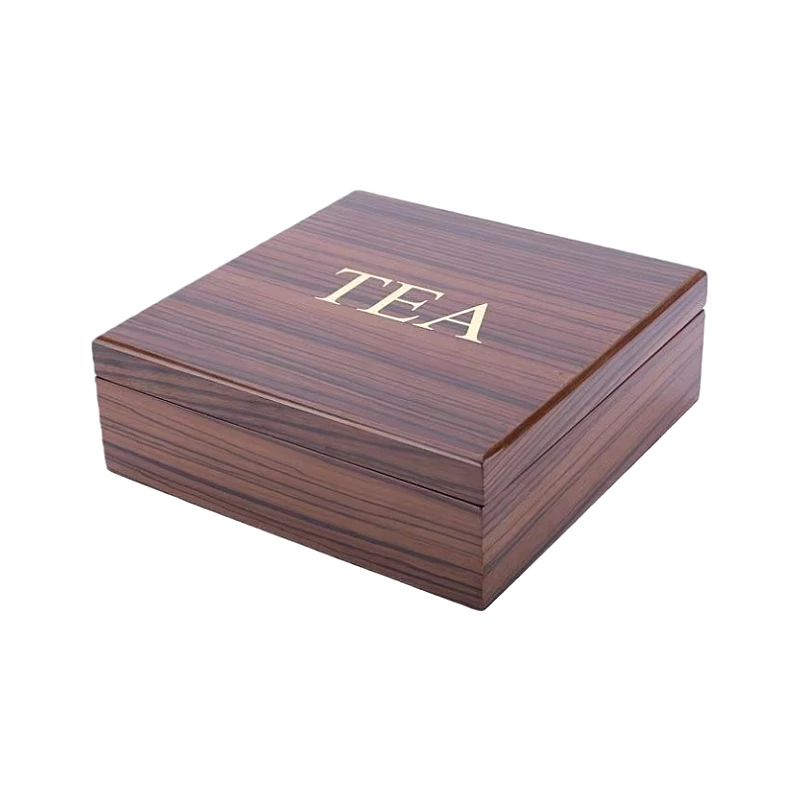
I once worked on two boxes for the same perfume. One was a standard paper box. The other was a wooden box with weight and structure. Customer feedback changed completely. The scent did not change. The expectation did.
Customers described the wooden-box version as deeper and more refined. The paper version felt lighter and less memorable. This taught me a key lesson.
Packaging does not reflect quality. It defines perceived quality.
Once that perception is set, the nose follows the brain’s lead.
Why do material, weight, and structure set expectations before the first spray?
Before color and graphics, the body reacts to touch. Weight and structure speak faster than design.
When a customer lifts a perfume box, their hands feel mass, resistance, and balance. The brain reads those sensations as meaning. Heavier feels more serious. Rigid feels more stable. Structured feels intentional.
Material, weight, and structure set expectations by translating physical effort into perceived value and scent intensity before the perfume is opened.
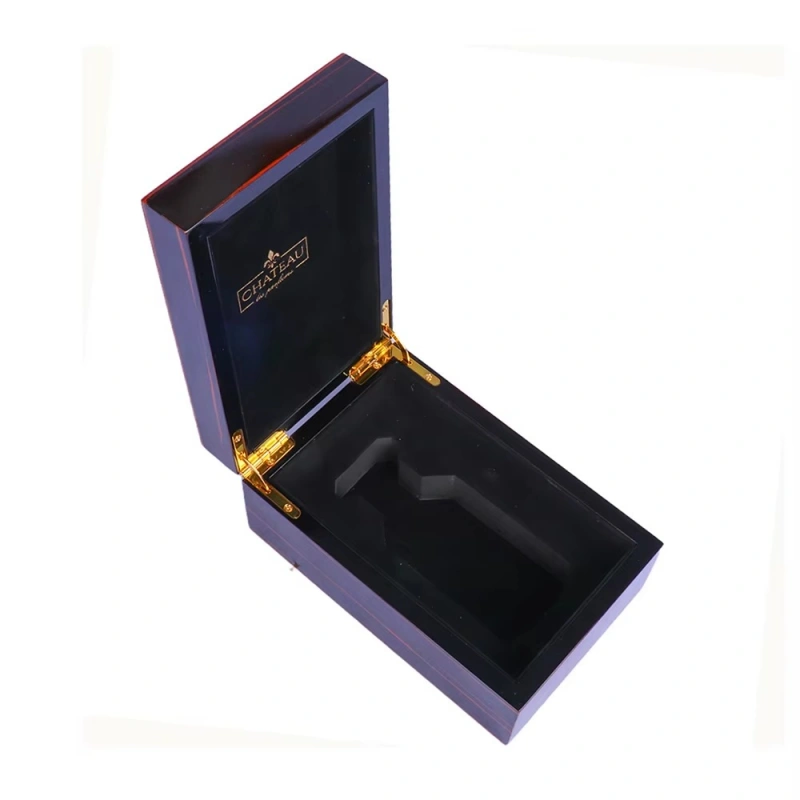
From my experience making wooden perfume boxes, this effect is not subtle. It is immediate.
How weight influences expectation
Weight creates effort. Effort creates value in the brain. When something feels heavy, the brain assumes it contains more importance.
This is why wooden boxes perform so well in high-end perfumery.
| نوع الصندوق | Typical Perception |
|---|---|
| Thin paper box | Light, casual, short-lived |
| ورق مقوى صلب | Premium but accessible |
| MDF مع القشرة الخشبية | Serious, stable, refined |
| Solid wood box | Deep, long-lasting, luxury |
The scent inside does not change. But the customer expects it to last longer, project more, and feel more complex.
Structure sends signals of control
Structure also matters. A box that opens smoothly and precisely suggests control. Control suggests expertise. Expertise suggests quality.
Loose flaps, weak hinges, or unstable inserts damage trust before the scent is smelled.
My design lesson
I learned early that even 100 grams of added weight can change perception. Brands often hesitate because of cost or shipping. But customers feel the difference instantly.
When material, weight, and structure align, the brain relaxes. It becomes open and receptive. When they feel cheap or weak, the brain becomes critical.
The nose follows that mood.
How do color and design language suggest scent style and intensity?
Color is the fastest visual language the brain understands. It sets mood before meaning.
Customers read color emotionally, not logically. They associate tones with temperature, strength, and personality. Packaging color becomes a promise of scent style.
Color and design language suggest scent style by triggering emotional associations that guide how strong, fresh, or deep a perfume is expected to be.

In my projects, color discussions often take longer than material discussions. This is because color mistakes are unforgiving.
Common color expectations in perfumery
| اختيار اللون | Typical Scent Expectation |
|---|---|
| أسود | Intense, deep, evening |
| أبيض | Clean, soft, minimal |
| الذهب | Warm, rich, luxurious |
| أخضر | Fresh, natural, herbal |
| Pastels | Light, airy, youthful |
These expectations exist even if the brand does not intend them. The customer’s brain supplies the meaning automatically.
Design language matters as much as color
Design language includes typography, spacing, and graphic density.
- Minimal design suggests confidence and niche appeal
- Symmetrical layouts feel stable and classic
- Bold typography feels expressive and modern
- Decorative details feel traditional or gift-oriented
Each choice tells the brain how to listen to the scent.
A personal mistake I remember
Years ago, I helped package a fragrance with a light floral profile. The brand insisted on a dark, heavy visual style. Customers expected a strong oriental scent. When they smelled it, many said it felt weak.
The scent was beautiful. The packaging set the wrong stage.
This taught me something important.
Color does not decorate scent. It frames it.
Why does packaging influence how a perfume is emotionally received?
Perfume is emotion. Packaging is the emotional setup.
Before scent reaches the nose, the customer already feels something. Anticipation, excitement, comfort, or doubt. Packaging creates that emotional tone.
Packaging influences emotional reception by priming the customer’s mood, which shapes how the scent is interpreted and remembered.
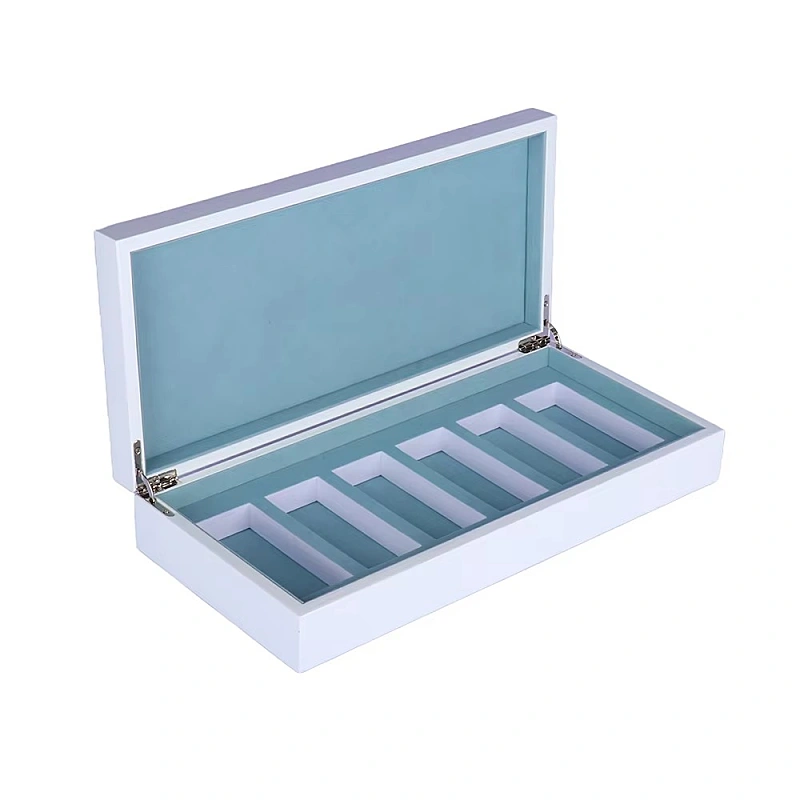
Emotion affects perception. A relaxed customer smells differently than a skeptical one.
Emotional priming in action
When packaging feels luxurious, customers slow down. They give the scent time. They look for complexity. They forgive sharp notes.
When packaging feels cheap, customers rush. They judge faster. They focus on flaws.
Emotional cues packaging delivers
| Packaging Feeling | الاستجابة العاطفية |
|---|---|
| Calm and refined | Openness and trust |
| Bold and dramatic | الإثارة والفضول |
| Soft and warm | Comfort and intimacy |
| Busy or unclear | Confusion or doubt |
These emotions guide how memory forms. A perfume smelled in a positive emotional state is remembered more favorably.
My observation from feedback sessions
In blind tests, customers often rate scents similarly. Once packaging is introduced, opinions split. Emotion enters the equation.
This is why brands that invest in packaging often see better reviews and repeat purchases, even when the formula stays the same.
Packaging does not change the scent. It changes the heart listening to it.
How can mismatched packaging lower appreciation of a good fragrance?
Mismatch is the most dangerous mistake in perfume packaging.
When packaging promises one thing and the scent delivers another, the customer feels confused. Confusion leads to disappointment, not because the scent is bad, but because expectations were broken.
Mismatched packaging lowers appreciation by forcing customers to judge the fragrance through the wrong emotional and sensory lens.
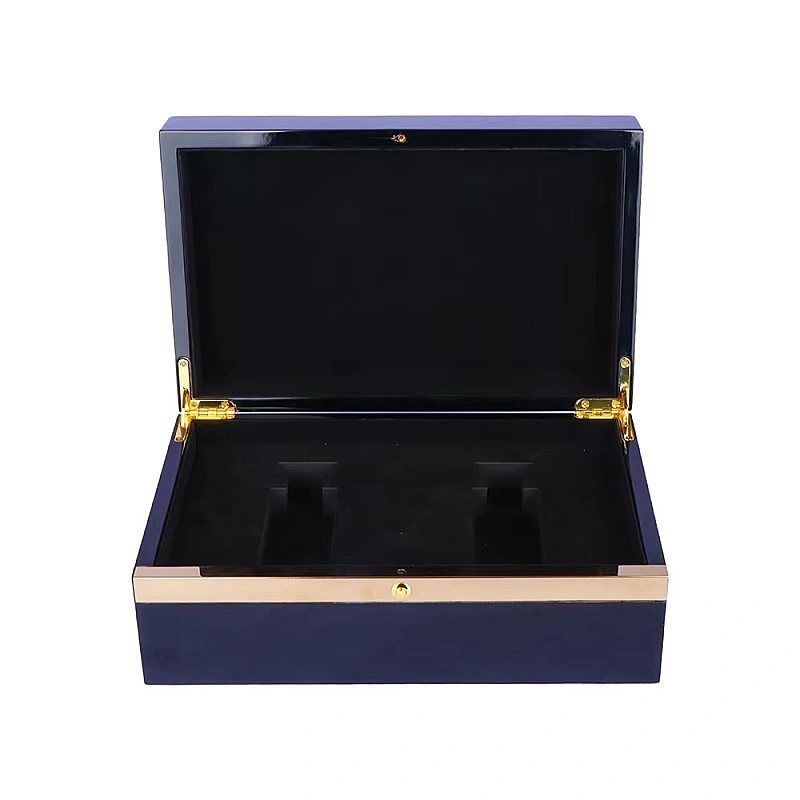
This problem appears often, especially with new brands.
Common types of mismatch
| Packaging Promise | Actual Scent | Customer Reaction |
|---|---|---|
| Heavy luxury box | Light fresh scent | “Too weak” |
| Minimal niche look | Sweet mass scent | “Misleading” |
| Soft pastel design | Strong oud scent | “Too aggressive” |
The scent did nothing wrong. The packaging lied.
Why the brain reacts strongly to mismatch
The brain hates broken predictions. When expectations fail, it looks for reasons. The scent becomes the target.
Customers say “I don’t like it,” but what they mean is “this is not what I was prepared for.”
My strongest belief from experience
A well-matched package makes an average scent feel better. A poorly matched package makes a great scent feel wrong.
That is why I always tell brands one thing.
Packaging is the first promise. The scent must keep it.
الخاتمة
Packaging programs the perfume experience. Before the first spray, it shapes expectations, emotions, and judgment. When packaging and scent align, fragrance receives the respect it deserves.
اسم العلامة التجارية: وودوبوكس
الشعار: صناديق خشبية مصممة حسب الطلب، مصنوعة بإتقان

 العربية
  English
  Español
  Português
  Deutsch
  Français
  Italiano